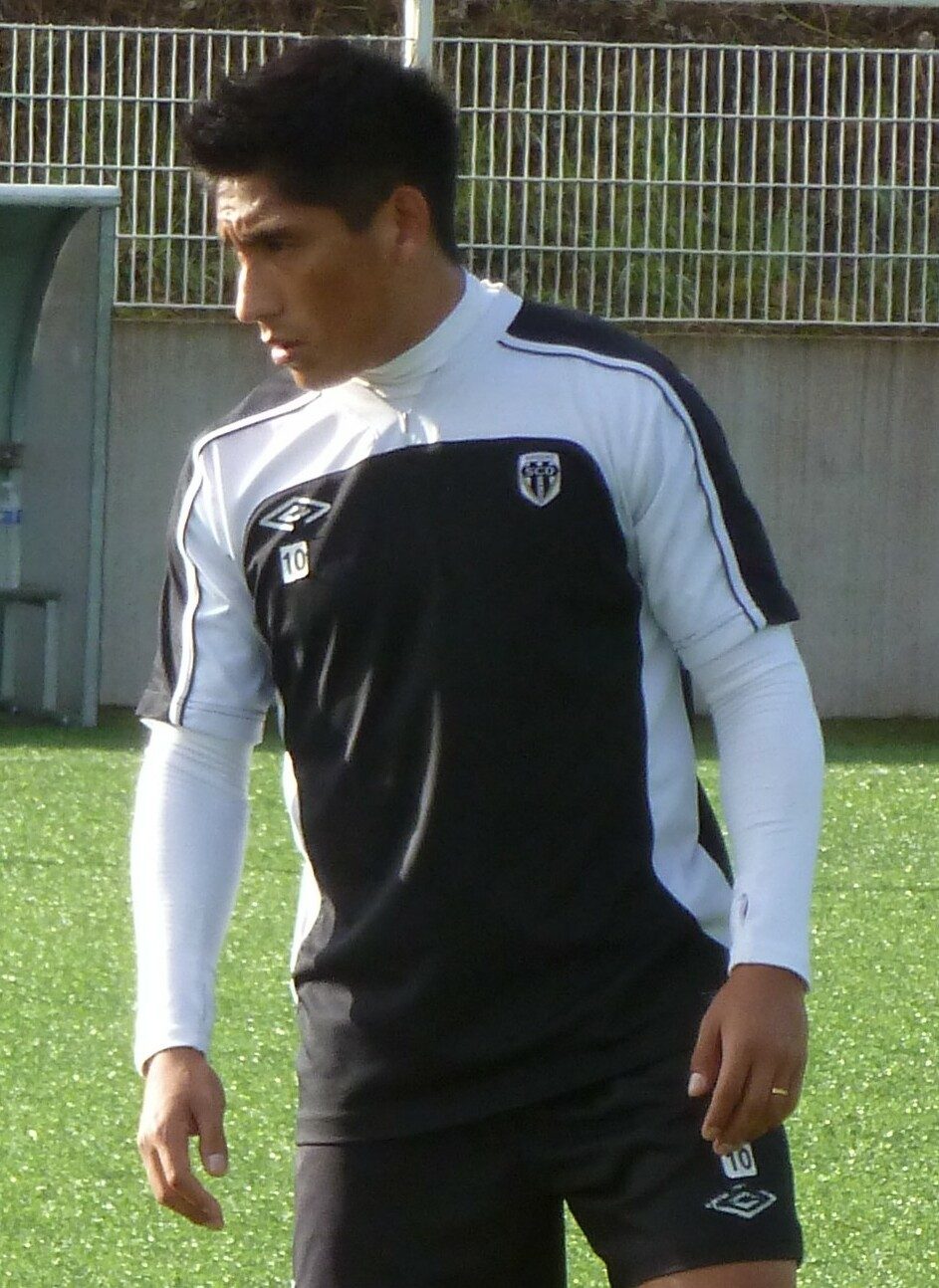
Paraguay’s training base in Luque, a suburb of Asunción where the air sits heavy and the cicadas start before dawn, has had a different energy since Thursday. Diego Gómez, the Brighton midfielder who is Paraguay’s most important player in any tactical conversation about Group B, completed a full session without discomfort. He had feared the worst, he told The Athletic, when a muscle injury during a late-season Premier League match threatened to end his World Cup before it began.
The relief in Asunción was audible. Paraguayan football, which has spent the last decade cycling through rebuilds and recriminations, qualifying for its first World Cup since 2010, has invested a particular kind of hope in Gómez. He is twenty-three. He is the player around whom Gustavo Alfaro, the Argentine coach who took Paraguay through qualifying, has built his creative architecture. When Gómez is on the ball in the half-space, Paraguay play with a tempo and a direction that no other player in their squad can supply. When he is not, they are functional, disciplined, and limited in a way that makes them easier to prepare for.
That distinction is now the central problem for the United States, who open the tournament against Paraguay on June 12 in Los Angeles. Gregg Berhalter’s staff, like all tournament coaching staffs, have been compiling opponent-specific dossiers for months. The first of those dossiers, presumably, had a question mark where Gómez’s name should have been. The question mark has been, if not erased, then at least faded.
The United States know Gómez. Several of their players have faced him in the Premier League this season, and Berhalter’s analysts will have logged every minute of his Brighton campaign. What makes him difficult to prepare for is not pace or power, those are present but not the point, but the timing of his movements into the spaces between the defensive line and the midfield. Gómez receives the ball on the half-turn, in the channels, in the areas where American centre-backs will need to decide whether to step or hold. That decision, repeated across ninety minutes, is where Paraguay’s attacking possibility lives.
Alfaro’s system is built to exploit exactly that kind of indecision. He plays a 4-3-3 that becomes a 4-2-3-1 in the attacking phase, with Gómez as the ten, drifting left, finding pockets, drawing the opposition’s defensive shape into small, uncomfortable compromises. The supporting cast, Miguel Almirón on the right, Julio Enciso in the forward line, Ramón Sosa on the left, is talented enough to finish what Gómez creates. The concern, if you are Berhalter, is that your defensive plan depends on a player who might not play, and then he plays.
There is a broader context here that has little to do with tactics. Paraguay’s return to a World Cup, after sixteen years, is a cultural event in Asunción. The streets around the Estadio Defensores del Chaco, where qualifying was sealed, were full for three nights. The country’s football identity, forged in the hard, combative sides of the 1990s and 2000s, has been refracted through a generation of players who grew up watching European football on satellite television and then moved, one by one, to the Premier League, La Liga, Serie A. Gómez is the fullest expression of that generation. He is technically advanced, tactically literate, and physically prepared for the intensity of a tournament opener in Los Angeles, where the temperature at kickoff will be somewhere above thirty degrees.
The United States, meanwhile, are playing a home World Cup with all the freight that implies. Berhalter has spoken, in press conferences and in less formal settings, about managing expectation. The American football public has grown, considerably, since the last World Cup held on home soil in 1994. The stadiums will be full. The narrative pressure, while not the same as England’s, is real, and it is new, and it will be sitting in the room when the players arrive at the stadium on June 12.
Gómez’s fitness does not guarantee Paraguay a result. It does something more nuanced: it gives Alfaro the version of his team he planned for. It removes the asterisk. It makes the scouting report that Berhalter’s staff have spent months building suddenly, uncomfortably, relevant again. The opening match of Group B was always going to be a test of preparation. With Gómez cleared, it is a test of whether that preparation accounted for the player who makes Paraguay’s whole structure make sense.
