By Alex Mwangi, MercatoWire tournament desk, Nairobi.
MetLife Stadium in East Rutherford, New Jersey, carries the weight of New York without being in New York; games played there arrive with a skyline behind the broadcast and a crowd drawn from one of the most diverse metropolitan areas on the planet. On 13 June, Brazil play Morocco there in what is likely the most significant group-stage fixture of the first week.
Group C is the group that contains Brazil. That single fact alters the gravity of every other match in it.
The teams
Brazil (FIFA rank: 6) carry five World Cup titles and the accumulated expectation of a football culture that treats the tournament as existential. Vinícius Júnior, the forward who plays for Real Madrid, is the player around whom Brazil’s attacking structure is built. Raphinha, from Barcelona, provides the width and unpredictability on the other flank. Alisson Becker, the goalkeeper, has been one of the best in his position in the world for most of the past decade. Brazil have not won the World Cup since 2002. The five titles are real, and the twenty-four years since the last one are equally real.
Morocco (FIFA rank: 8) are the highest-ranked African side at this tournament, arriving in North America with a collective coherence built over years. Achraf Hakimi, the right back who plays for Paris Saint-Germain, is their most technically complete player. Sofyan Amrabat controls from midfield. Ayoub El Kaabi leads the attack. Morocco’s 2022 semi-final run established what this squad is capable of; whether they can sustain that across a second tournament is the more interesting question.
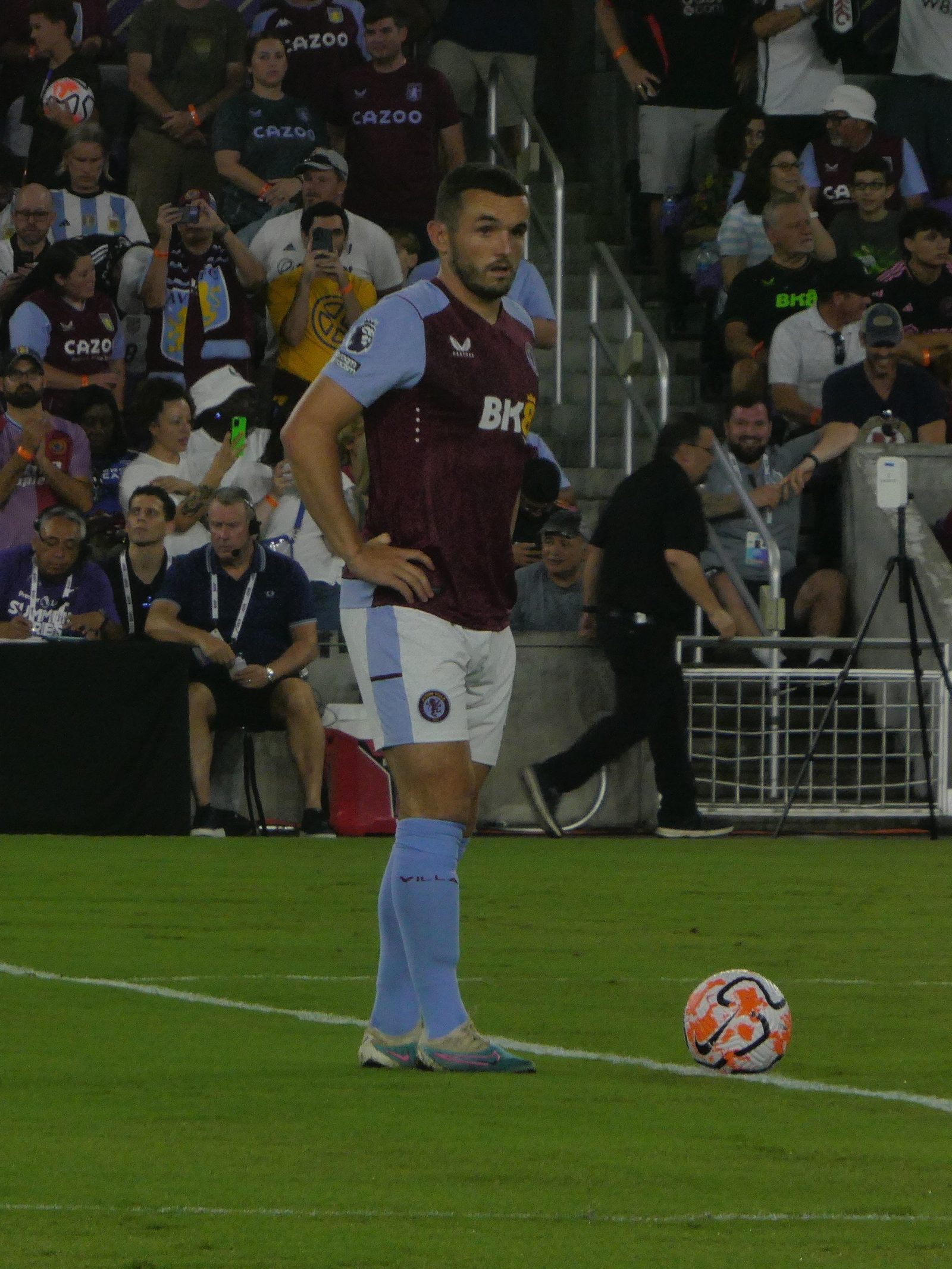
Scotland (FIFA rank: 43) are playing in their first World Cup since 1998. Andrew Robertson, the Liverpool left back, is the most internationally recognised member of this squad. Scott McTominay, who moved to Napoli, and John McGinn of Aston Villa form the midfield core. Scotland have qualified for eight World Cups and have never progressed beyond the group stage. This squad understands that record without requiring it to be explained. Their opening fixture is against Haiti on 14 June at Gillette Stadium in Foxborough, Massachusetts.
Haiti (FIFA rank: 83) are the lowest-ranked team in this group. Jean-Ricner Bellegarde, the midfielder who plays in France, is their most technically developed player. Duckens Nazon is their most experienced forward at European club level. Haiti qualified through CONCACAF, a competitive and demanding process; their presence here is a tournament fact, not a sentimental one.
The fixtures
Morocco vs Brazil: 13 June, MetLife Stadium, East Rutherford. Scotland vs Haiti: 14 June, Gillette Stadium, Foxborough. Morocco vs Scotland: 19 June, Gillette Stadium, Foxborough. Haiti vs Brazil: 20 June, Lincoln Financial Field, Philadelphia. Haiti vs Morocco: 24 June, Mercedes-Benz Stadium, Atlanta (simultaneous kick-off). Brazil vs Scotland: 24 June, Hard Rock Stadium, Miami Gardens (simultaneous kick-off).
Who advances
Brazil and Morocco are the two sides expected to take the automatic qualifying spots, but the fixture between them on 13 June is genuinely open. Morocco have demonstrated, since 2022, that they can defend against elite opposition and counter with precision. Brazil’s recent World Cup campaigns have ended in the quarter-finals; they are not a safe winner of any match against a top-ten nation.
Scotland’s path runs through the third-place bracket. A win against Haiti, a competitive result against Morocco, and a respectable defeat to Brazil leaves them with a tally potentially sufficient among the best eight third-placed teams across all twelve groups. Haiti’s contribution to this tournament is a tournament fact; they are here because they qualified.
Group C is worth attending to primarily because of Morocco vs Brazil on 13 June. Both sides contain players capable of producing moments that define tournament narratives. The question is whether Scotland, watching from the other side of the draw, can generate enough of their own.
