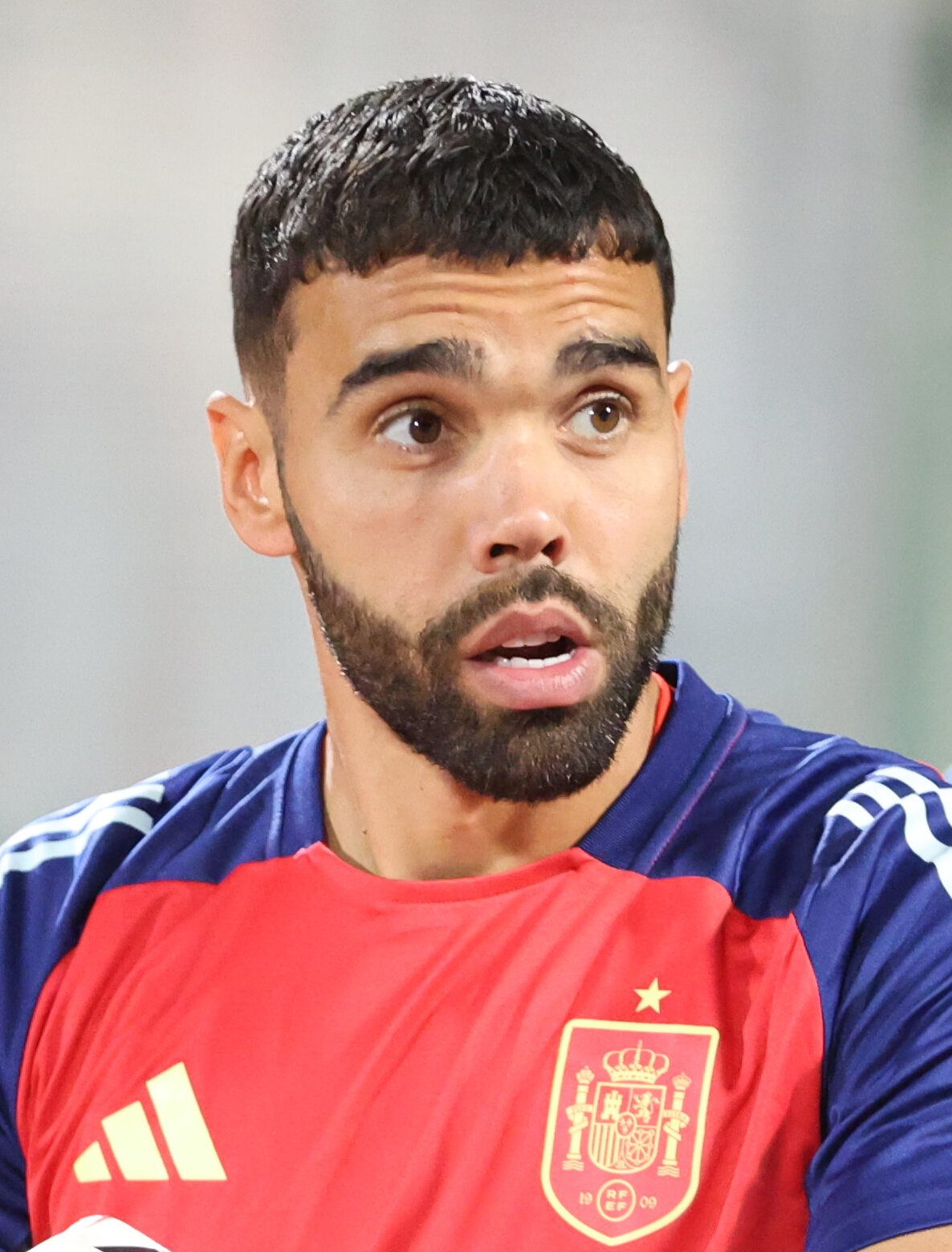
Group H is the group the draw placed Spain in as defending champions, alongside Uruguay, Saudi Arabia, and Cape Verde. On paper it is the most predictable group in the tournament. In practice, it contains Uruguay, who have been producing results that their FIFA ranking does not predict at multiple World Cups across the last twenty years, and Saudi Arabia, whose 2022 performance against Argentina changed how the football world reads their name.
Spain are ranked 2nd. Uruguay are 17th. Saudi Arabia are 61st. Cape Verde are 69th.
The Fixtures
Spain open against Cape Verde on 15 June at Mercedes-Benz Stadium in Atlanta, kick-off 16:00 UTC. Uruguay face Saudi Arabia at Hard Rock Stadium in Miami Gardens, Florida, at 22:00 UTC on 15 June. Spain play Saudi Arabia on 21 June at Mercedes-Benz Stadium in Atlanta at 16:00 UTC. Cape Verde take on Uruguay at Hard Rock Stadium in Miami Gardens at 22:00 UTC. The final group matches are simultaneous on 27 June: Saudi Arabia versus Cape Verde at NRG Stadium in Houston at 00:00 UTC, and Spain against Uruguay at Estadio Akron in Guadalajara at 00:00 UTC.
Spain: defending champions, same structure
Rodri anchors the midfield. Pedri and Dani Olmo provide the technical combination ahead of him. Lamine Yamal, at 18, has spent the months since his emergence confirming that his tournament level is repeatable. Nico Williams gives Spain a wide option whose directness is the counterweight to the squad’s collective, possession-based character. David Raya is in goal. The group stage will not test Spain in the way the knockout rounds will.
Uruguay: the realist’s case for second place
Federico Valverde is the clearest evidence that Uruguay’s 2026 edition is not a team held together by memory. He is 27, playing at Real Madrid, and his capacity to carry a midfield through difficult matches is established. Darwin Núñez leads the attack. Rodrigo Bentancur and Manuel Ugarte provide the other midfield components. José María Giménez defends with the physicality that Uruguay’s approach to knockout football has historically required.
Uruguay against Spain in Guadalajara on 27 June will determine which team wins the group. A draw serves both teams’ qualification interests. A loss changes the knockout draw.
Saudi Arabia: process and a specific recent memory
Mohammed Al-Owais in goal is the clearest ceiling of Saudi Arabia’s defensive capacity. Salem Al-Dawsari continues in the squad and brings the most recognisable individual quality. The squad draws heavily from the Saudi Pro League, which has, in recent seasons, attracted established players from top European leagues. The competitive intensity of that environment will be tested against Uruguay in Miami on 15 June.
Cape Verde: one representative from a small island nation
Cape Verde are ranked 69th and are a nation of fewer than 600,000 people. Their football production runs through diaspora pipelines, primarily from Portugal. Stopira and Steven Moreira provide defensive experience. Jamiro Monteiro carries creative responsibility in midfield. The realistic ambition in this group is to take three points from Saudi Arabia and leave Group H having shown that African island nations can contribute more than symbolic participation.
The best-eight third-placed teams format means a Cape Verde win over Saudi Arabia keeps them in the calculation. Whether the rest of the draw supports that scenario is the uncertainty.
Who advances
Spain win the group. Uruguay take second place on the balance of their squad against Saudi Arabia. The Spain versus Uruguay match in Guadalajara on 27 June will be decided, in part, by what is happening simultaneously in Houston, where Saudi Arabia face Cape Verde. That is the kind of final-group-day arithmetic that the 48-team format generates.
By Alex Mwangi, MercatoWire tournament desk, Nairobi.
