Nairobi, July 3. MetLife Stadium sits in the Meadowlands at East Rutherford, New Jersey, within sight of the Manhattan skyline on a clear day, and it is already marked on FIFA’s calendar for a bigger date than this one: the stadium hosts the World Cup 2026 final on July 19. On Sunday, in the same July heat that will still be sitting over the Meadowlands a fortnight later, it stages something smaller first. What happens when a forward with five goals in four matches meets a defence that has conceded only twice in four? Brazil and Norway provide the answer on Sunday, July 5, kick-off 4:00 PM ET and 21:00 in the UK, in a Round of 16 fixture between the World Cup’s sixth-ranked and thirty-first-ranked sides.
Brazil won Group C outright, seven points from three matches, per FIFA’s official match centre. Norway finished second in Group I on six points, the twenty-five-place gap in the world rankings not obviously reflected in the group tables. Both reached this tie by winning their Round of 32 matches by an identical scoreline, 2-1: Brazil past Japan on 29 June, Norway past Ivory Coast on 30 June.
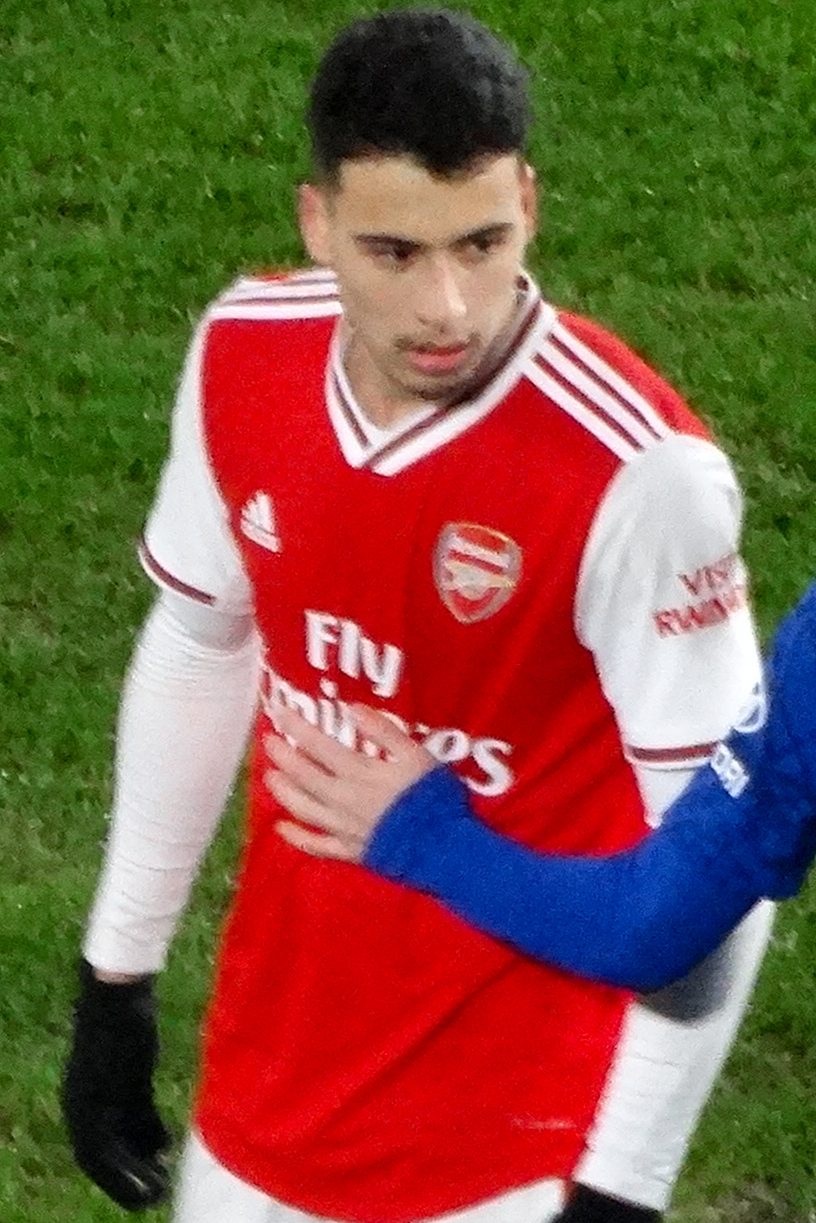
Brazil’s group phase ran through two players. A 1-1 draw with Morocco on 13 June was settled by Vinícius Júnior, the only scorer either side needed. A 3-0 win over Haiti on 20 June brought two goals from Matheus Cunha and one more from Vinícius Júnior. A second 3-0 win, over Scotland on 24 June, reversed the shares: two from Vinícius Júnior, one from Cunha. Between them the pair scored every one of Brazil’s seven group-stage goals. Then, in the Round of 32 win over Japan on 29 June, neither scored at all. Casemiro and Gabriel Martinelli did the work instead, in a tighter 2-1 win that looked nothing like the two routs either side of it.
Norway’s shape is different again: an attack that has scored in every match, paired with a defence that has not kept a clean sheet in any of the four. A 4-1 win over Iraq on 16 June that included two goals from Erling Haaland and one from Leo Østigard opened the group phase. A 3-2 win over Senegal on 23 June repeated the Haaland brace but let in two at the other end. On 26 June came the heaviest defeat either side in this tie has suffered, 1-4 to France, Thelo Aasgaard the lone scorer. Norway’s response, a 2-1 win over Ivory Coast in the Round of 32 on 30 June, paired a goal from Antonio Nusa with one more from Haaland and conceded only once, the tightest defensive performance of their four matches.
Haaland was characteristically direct about what Sunday requires. “We’re going to the round of 16, there will be excellent teams. It won’t be easy, we have to be realistic. I don’t know if we’ll make it. We’ve prepared a lot and we’re still very prepared,” he said after the Ivory Coast win, via Fox Sports.
Add the four matches together and Norway have scored more than Brazil, ten goals to nine, but conceded four times as many, eight to two. Brazil’s goal difference across the tie is +7; Norway’s is +2. By individual output, Haaland leads every scorer in this fixture with five goals, one more than Vinícius Júnior’s four and two more than Cunha’s three. By defence, Brazil have conceded only twice, bookending two consecutive clean sheets with single-goal concessions against Morocco and Japan. Norway have conceded in all four of their matches. Both records travel to MetLife Stadium intact.
The tactical question this sets up is not simply whether Brazil can contain Haaland. It is whether a Brazil defence that conceded only to Morocco and Japan can do the same against a forward who has already scored in three of Norway’s four matches this tournament. The question for Norway runs the other way: whether an attack that has scored in every match so far can find the same rhythm against a defence that Morocco, Haiti, Scotland and Japan have breached only twice between them.
Carlo Ancelotti’s Brazil have the tournament pedigree and, on this evidence, the tighter defensive record. The unresolved question is whether that record survives contact with the most direct individual scoring threat in this tie. Ståle Solbakken’s Norway have the goals, and a twenty-five-place gap in the world rankings to overturn, but they arrive having conceded in every match they have played this tournament. Both patterns cannot survive ninety minutes at MetLife Stadium unchanged. Full bracket coverage continues through the rest of the Round of 16.
