Mexico City, in June, is at its driest. The rains have not yet come. The air sits at altitude, thin and bright over the basin, and the streets around Estadio Banorte carry that particular energy that precedes a football match only when everyone already knows the magnitude of what is about to happen.
On the evening of 11 June, at 19:00 UTC, the first whistle blows on the 2026 FIFA World Cup. Mexico versus South Africa. Group A. The first competitive match of the first 48-team World Cup in history. The competition has grown; the opening night has not. The traditions of this moment transfer cleanly across the format change. In Mombasa, where I watched the 1994 tournament begin on a borrowed television, the signal was poor and the excitement was not. Thirty-two years later, the match will reach more screens than any sporting event in human history, and the country kicking off is Mexico.
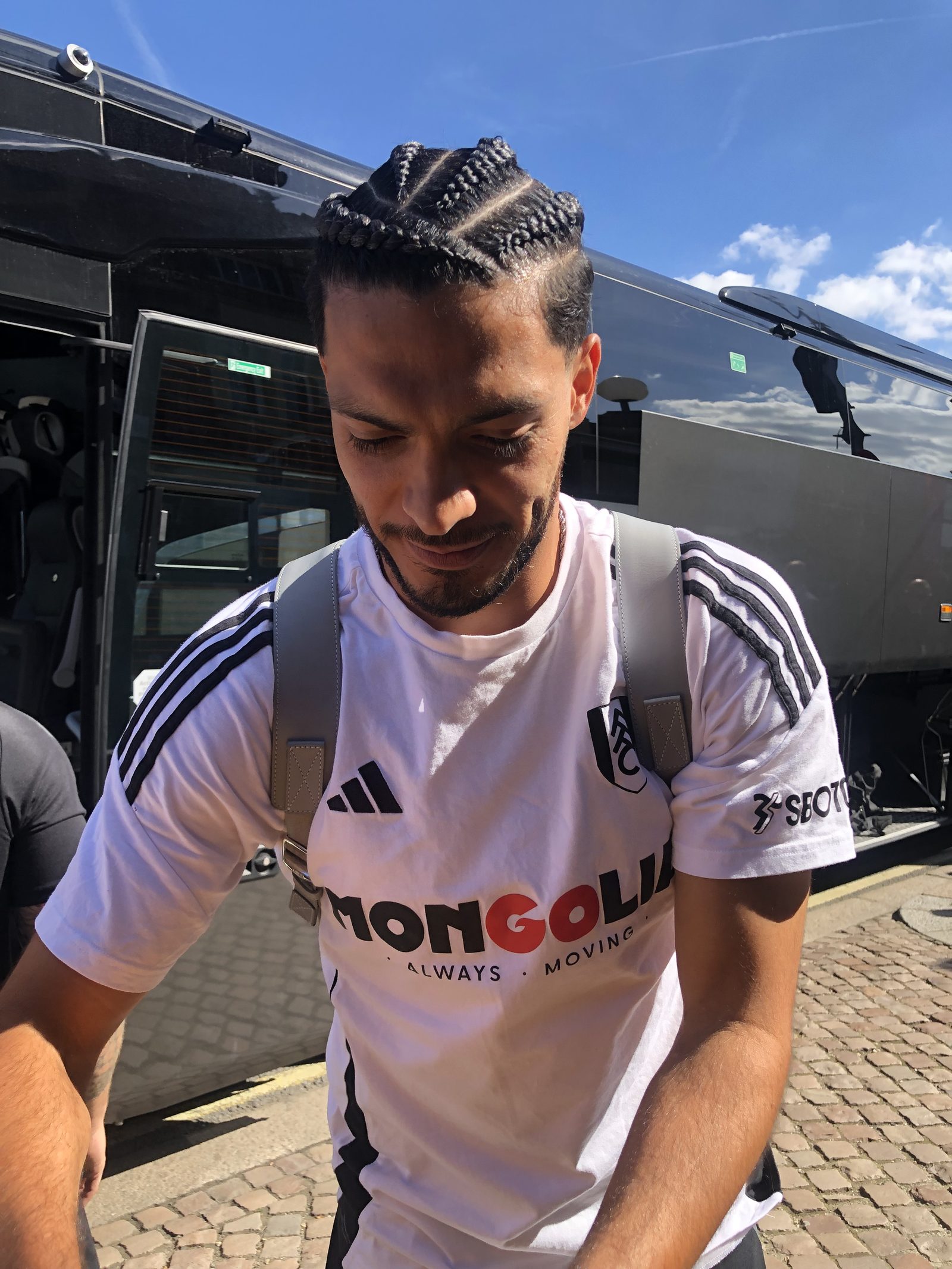
Mexico, ranked 15th in the world, begins at home in the way that carries both advantage and weight. The home crowd is not a neutral quantity at a World Cup opener. It is a pressure that players either convert or carry. Raúl Jiménez, the forward, is the figure around whom that pressure will concentrate. At 35 years old, this is likely his final World Cup. His record for the national team is long and honest. The capacity of the Estadio Banorte crowd to amplify him, or to remind him of expectation, is real.
Behind Jiménez, the midfield will be shaped by Luis Chávez, whose deliveries from set-pieces have been a consistent source of threat in qualifying. Florian Wirtz plays for Germany on the other side of the draw; Luis Chávez plays here, in the heat, for the country that built his name. Obed Vargas, at 22, carries the generational argument Mexico needs if this tournament is to mean more than a single good performance in a group stage.
South Africa, ranked 60th, arrive knowing the arithmetic and setting it aside. This is the Bafana Bafana squad that earned qualification to this tournament, and the distance from African football’s perpetual near-miss to a World Cup group stage carries its own narrative weight. That weight is not Africa’s weight as a monolith. It belongs to specific people. Lyle Foster, the forward who plays his club football in Belgium, has spent the better part of two years building himself into a striker capable of this level. Themba Zwane, the midfielder whose career has been primarily in the Absa Premiership, will face this crowd with a résumé built at home, in South African club football, rather than abroad. That is not a weakness. That is a fact.
Teboho Mokoena anchors the midfield. He is the player South Africa’s structure depends on most, the one who, when the ball is lost, decides whether this is a team that presses collectively or retreats.
The opening match of a World Cup is a particular kind of fixture. It announces the tournament to itself. When the cameras find the crowd before kick-off and the anthem plays, something is happening that is not reducible to two countries and twenty-two players. There are people in living rooms in Dakar and Seoul and Buenos Aires watching because this is the only moment in sport where the world agrees to pay attention at the same time. Mexico City, in June, in the evening, at altitude, is where that moment arrives in 2026.
The fixture is a reasonable one for Mexico on paper. South Africa’s FIFA ranking places them 45 places below their opponent. The gap does not reflect disqualifying weakness; it reflects the structural inequity of a sport whose ranking system weights continental strength unevenly. The rankings are useful and imprecise, sometimes simultaneously.
The best-eight third-placed teams format also introduces a calculation that will frame South Africa’s approach. With two group games remaining after this opener, and with Czechia and South Korea in the same group, a point from the first fixture has genuine survival value for Bafana Bafana. They will not come to Mexico City to be admired.
What Mexico need, more than a comfortable win, is a performance that establishes the tournament on their terms. The opener carries a freight of expectation that the second group game never does. The host nation’s opener, in the host nation’s largest city, on the first evening of the tournament’s existence, is a different kind of pressure from anything that follows.
The referee’s first whistle at Estadio Banorte on 11 June will be heard in more than 200 countries. The ball will roll at altitude, in thin night air, toward South African defenders who have spent months preparing for this exact scenario. What happens after that is what the next five weeks are for.
By Alex Mwangi, MercatoWire tournament desk, Nairobi.
