Group E spans a football distance that the FIFA rankings barely capture. Germany, ranked 10th in the world, are one of the four or five teams at this tournament who could plausibly win it. Curaçao, ranked 82nd, appear at their first World Cup. Between those two poles sit Ecuador (23rd) and Ivory Coast (34th), two squads with the quality to reach the second round and the fixture list to make it uncomfortable.
The Fixtures
Germany open against Curaçao on 14 June at NRG Stadium in Houston, Texas, kick-off 17:00 UTC. Ecuador face Ivory Coast that same day at Lincoln Financial Field in Philadelphia at 23:00 UTC. The second round sees Germany face Ivory Coast at BMO Field in Toronto on 20 June at 20:00 UTC, and Ecuador take on Curaçao at GEHA Field at Arrowhead Stadium in Kansas City on 21 June at 00:00 UTC. The final round on 25 June runs simultaneously: Germany at Ecuador at MetLife Stadium in East Rutherford at 20:00 UTC, and Ivory Coast against Curaçao at Lincoln Financial Field in Philadelphia at the same hour.
Germany: the weight of expectation, rebuilt
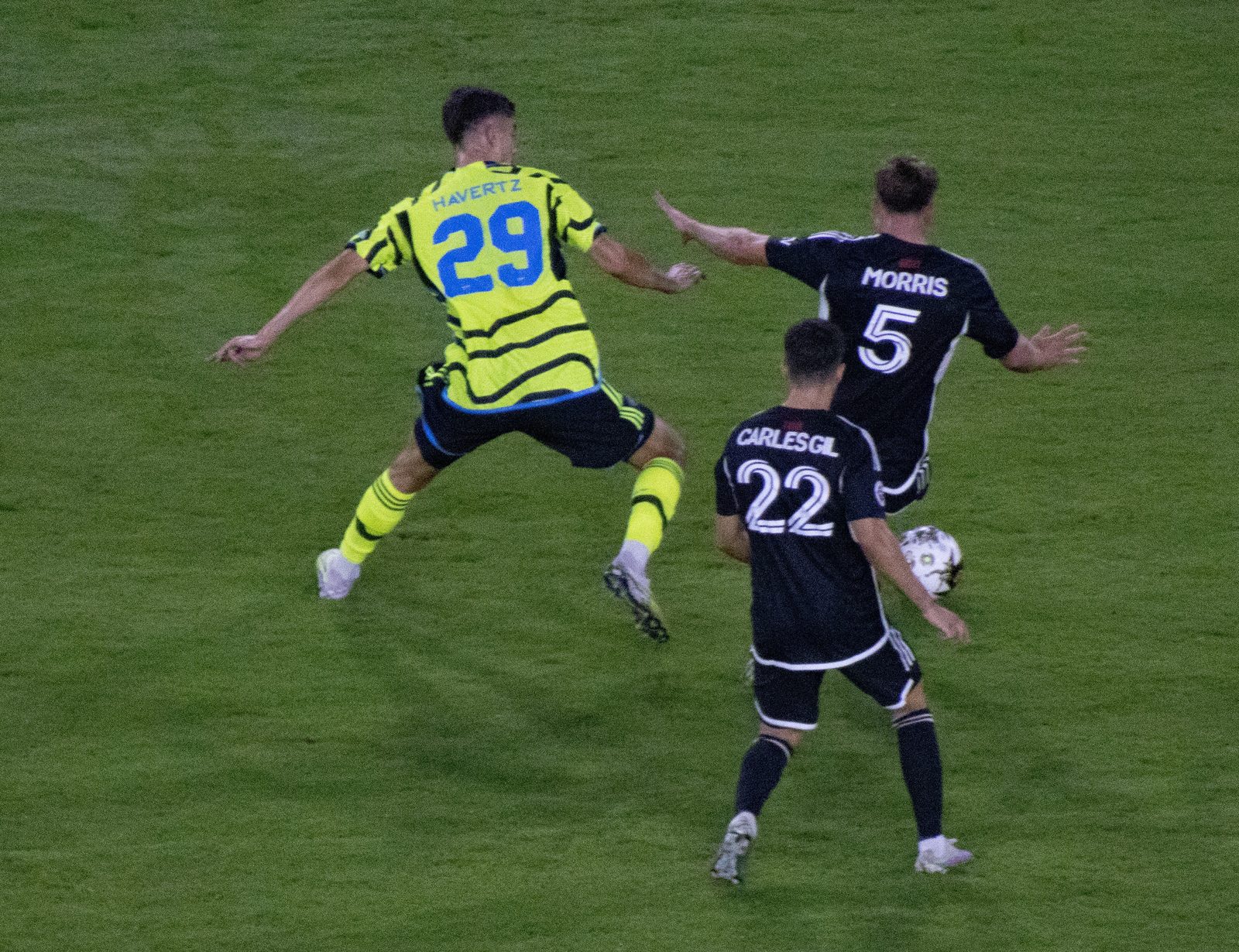
Manuel Neuer, the goalkeeper, is the constant. Joshua Kimmich organises the midfield with a clarity that has remained recognisable across Germany’s evolution. Florian Wirtz and Jamal Musiala are the generation on whom this tournament’s ambitions rest most visibly. Both are in their early twenties and play at a level in the Bundesliga that justifies the expectation. Kai Havertz leads the forward line.
Ecuador: organised, dangerous on the counter
Enner Valencia, the forward, is 36 and occupies the emotional centre of Ecuador’s squad for possibly the last time at a World Cup. Moisés Caicedo runs the midfield. Pervis Estupiñán at left back provides width and carrying capacity on the transition. Kendry Páez, at 18, is the figure Ecuador’s coaching staff have built the longer term around. He will play.
Ivory Coast: technically complete, diaspora-built
Ivory Coast, ranked 34th, are built on a midfield that would be competitive in any top European league. Seko Fofana and Franck Kessié are the established names. Ibrahim Sangaré adds physical range. The forward line includes Amad, who plays Premier League club football, and Simon Adingra. Ivory Coast arrive at their first World Cup since 2014 with a squad whose majority plays outside the country. That is the economic reality of West African football at this level.
Curaçao: the debutants with a Dutch football grammar
Curaçao are ranked 82nd and appear at their first World Cup. Their squad draws from the Dutch football system, which explains both how they qualified through CONCACAF and why the gap to the top of this group is narrower than the ranking implies. Tahith Chong, the midfielder, plays Premier League club football. Riechedly Bazoer and Leandro Bacuna add experience from the Dutch professional game. Getting out of this group would require results the FIFA ranks do not project. Taking a point from either Ecuador or Ivory Coast is a realistic ambition.
Who advances and who can still make the cut
Germany and Ecuador, on paper, advance. Germany are the superior squad across all positions. Ecuador’s structure and Valencia’s experience give them the edge over Ivory Coast in what may be the decisive direct fixture on 14 June in Philadelphia.
The best-eight third-placed teams format means Ivory Coast can qualify from third place if their points total competes. A draw against Ecuador and a creditable performance against Germany would likely be enough. Curaçao are the debutants who will tell us, in Houston on 14 June, how narrow the gap between ranked 82nd and ranked 10th actually is.
By Alex Mwangi, MercatoWire tournament desk, Nairobi.
