In late June, at a North American World Cup, the tournament begins to feel less like a festival and more like a logistics problem. The hotel corridors are quieter, the training sessions shorter, the families have found their routines, and the players know which bus seat belongs to whom. For the United States, the meeting with Turkey arrives at precisely that dangerous hour, when a match can look empty on the table and still carry enough consequence to shape the next week.
The Athletic has framed United States vs Turkey as a rare World Cup dead rubber, with Mauricio Pochettino’s side already qualified for the last 32 and their group position settled before the final match. That changes the task. Turkey is not, for the United States, a qualification problem. It is a management problem.
Pochettino’s instinct should be to treat it as a controlled risk exercise, not a ceremonial fixture and not a full rehearsal. The worst version of this match is not a defeat, because the table has already done its work. The worst version is Christian Pulisic aggravating a problem, or any player on a yellow card drifting into a second caution through fatigue, misjudgment or the ordinary friction of tournament football.
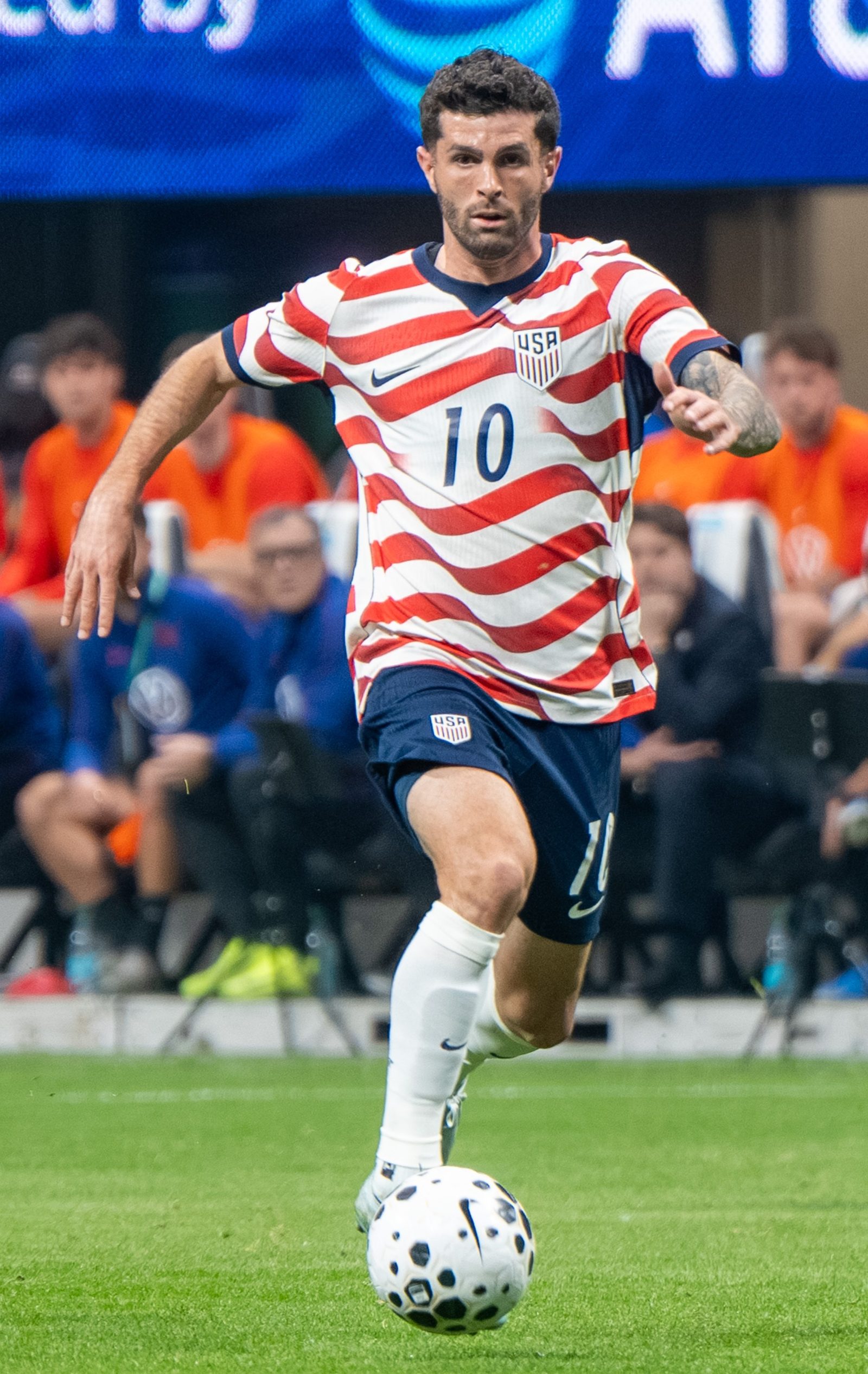
Pulisic is the obvious starting point because he remains the United States player most capable of changing the emotional temperature of a match. He is not simply a winger in this team. He is a release valve, a carrier of pressure, and the player opponents still mark with a different kind of attention. The Athletic’s preview places his fitness and the yellow-card question at the centre of Pochettino’s selection dilemma. If there is any meaningful risk around Pulisic, he should not start.
That does not require panic. It requires proportion. A tournament is not won by protecting players from football altogether. It is won, in part, by knowing which minutes matter and which minutes are mostly administrative. Pulisic does not need the emotional reassurance of a group-stage finale whose stakes have already been removed. He needs to be available when the match is no longer forgiving.
The same logic applies to any player one booking from suspension. There is a temptation, especially with a national team playing at home, to treat continuity as a moral duty. Supporters have travelled, the stadium wants the names it recognises, the broadcast wants the established XI. But tournament management is not hospitality. If a player on a yellow card is central to the last-32 plan, his place against Turkey should be on the bench unless Pochettino believes his absence would damage the structure beyond repair.
The cleaner solution is a mixed side with a recognisable spine. Pochettino should not empty the team of rhythm. He should protect the relationships that will matter after the group stage while removing the avoidable risks. That means keeping enough of the build-up structure intact for the United States to play as the United States, rather than sending out eleven men who have barely shared competitive minutes. One senior organiser in defence, one midfielder who understands the pressing triggers, and one forward capable of holding the team’s attacking shape would be enough.
This is where the difference between rotation and disruption becomes important. Rotation is a plan. Disruption is a list of rested players. The United States can change personnel while preserving habits: the first pass out from pressure, the distances between the midfielders, the timing of the wide runs, the counter-press after a loose touch. Those things do not disappear because Pulisic sits. They disappear when the team is selected as if the fixture has no instructional value.
Turkey should also be respected as more than the backdrop to an American selection debate. Matches without table pressure often become freer, stranger and more open, precisely because the usual fear has been removed. Turkey will still offer Pochettino information about defenders coping in transition, midfielders managing second balls, and attackers making decisions against a side with no obligation to wait politely. A dead rubber can still expose a soft habit.
The minutes plan matters as much as the XI. If Pochettino wants certain starters to maintain feel, he can use the first hour rather than the full match. If he wants to test a squad player in a tournament environment, he should give that player enough time to settle rather than a token appearance after the rhythm has gone. Substitutions should be premeditated where possible, not emotional responses to the scoreboard.
This is also a psychological exercise. Players know when a manager trusts them and when they are being used merely because the first-choice men are wrapped in cotton wool. A well-selected Turkey game can deepen the squad. A careless one can leave the substitutes looking like substitutes. Pochettino’s message should be simple: this match still belongs to the tournament, but not every tournament minute carries the same cost.
The last 32 will bring back the usual World Cup narrowing: fewer mistakes, tighter margins, more scrutiny, and less sympathy for misfortune that could have been avoided. The United States have earned the rare luxury of choosing risk rather than being cornered by it. Against Turkey, the mature choice is neither full-strength theatre nor wholesale abandonment. It is the middle road, with Pulisic protected, yellow cards respected, and the team’s rhythm kept alive just enough to travel.
