The World Cup, by its final group round, has settled into a clock. The first of Sunday’s two fixtures kicks off at 17:00 UTC, the second at 21:00, and by the time France and Iraq are walking out the continent will have spent an afternoon recalibrating one group around a result delivered earlier in the day. This is the part of the tournament where the host country, eleven days in, recedes behind the arithmetic, and where teams stop being introduced and start being known.
Argentina meet Austria first, and the meeting carries an asymmetry that has nothing to do with reputation and everything to do with the table. Argentina lead Group J on three points with a game in hand, having played once where their group rivals have played more. That is a position of control rather than completion. A team top of its group with a fixture still owed is a team that has bought itself the luxury of knowing exactly what each remaining ninety minutes is worth, which is a different and harder kind of pressure than the pressure of needing a result it cannot calculate.
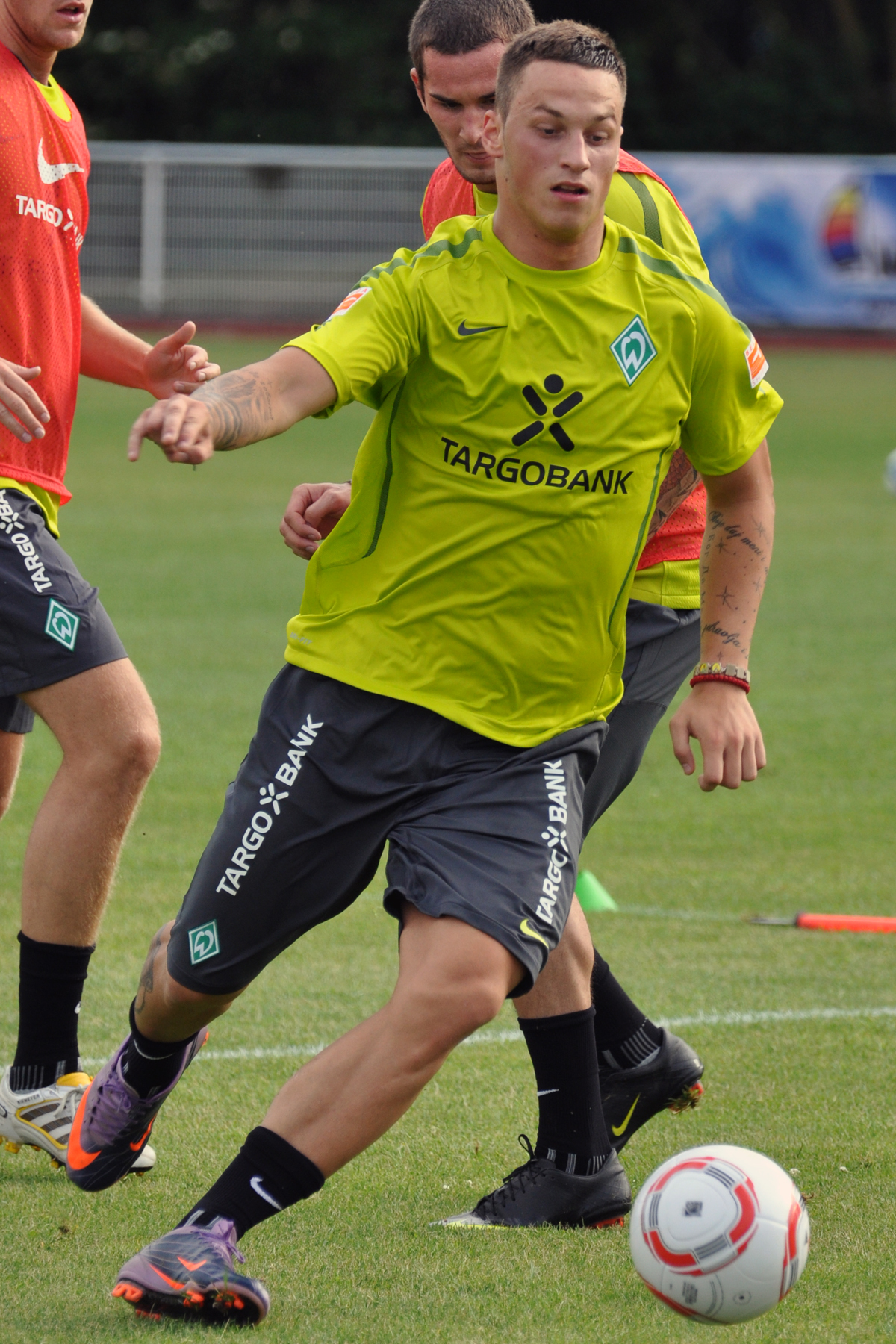
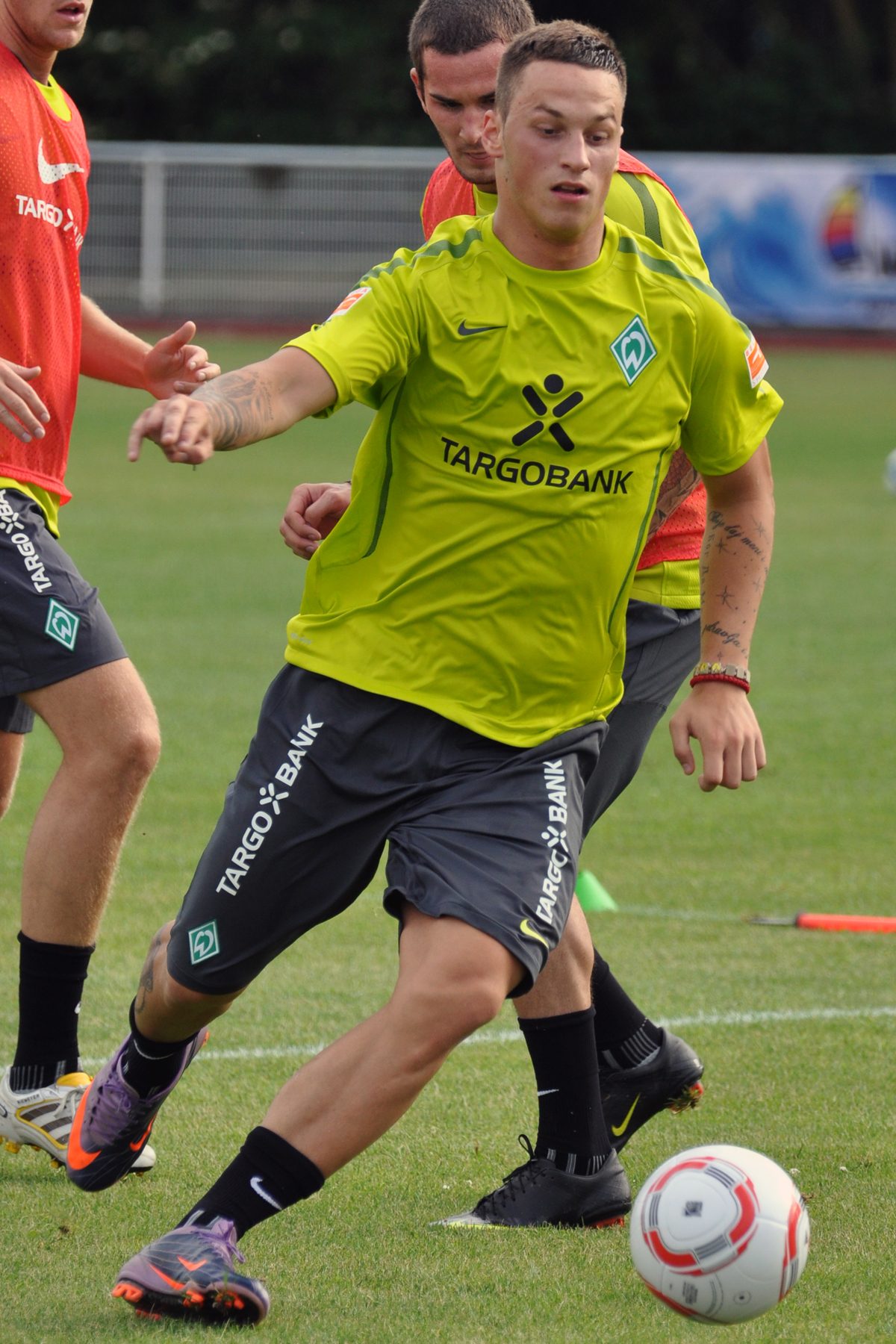
Austria arrive on the other side of the most consequential week their football has had in a generation. Their opening victory, a 3-1 win over Jordan, was Austria’s first at a World Cup in thirty-six years, a sentence that compresses an entire national relationship with the tournament into a single statistic. Thirty-six years is long enough that the players who delivered the win were, most of them, not born when the last one was recorded. Marko Arnautovic was central to that result, and at thirty-seven he is the bridge between an Austrian generation that knew the World Cup only as a place its country failed to reach and a squad that has now, finally, won a match inside one.
What that win does to a team on the eve of facing Argentina is the question Sunday afternoon will answer. A first victory after thirty-six years is a release of something that has been held a long time, and released energy can carry a side or it can leave it, the morning after, lighter than it intends to be. Austria are not arriving as a team with nothing to lose. They are arriving as a team that has just discovered it has something to protect, which is a more complicated thing to take into a fixture against the group leaders.
The footballing texture of the match will turn, as these matches do, on where Argentina choose to concede space and whether Austria can use it. A side leading its group with a game in hand does not need to chase the afternoon; it can wait, and waiting is itself a tactic against an opponent still warm from a result it wants to repeat. Austria’s task is to make the early phase of the match a contest of intent rather than a procession, to ask Argentina questions before the game settles into the rhythm that favours the team with the cushion.
France play Iraq in the later kickoff, four hours after the first whistle in Group J, and the day’s two fixtures sit on opposite sides of the same tournament logic. France are in action in their own group, at the stage where every group still has at least one arrangement of results that changes who advances and in what order. Iraq, at a World Cup, carry the weight of a region whose football is followed in Baghdad’s coffee houses and Basra’s evening streets with an attention that the European broadcast schedule rarely registers. The fixture is, like the earlier one, two football cultures meeting at the point in the tournament where the table stops being provisional.
By Sunday night one group will read differently than it did at dawn, and a second will have moved closer to its shape. That is what a final group round is, a day on which the standings stop being a record of what has happened and become a forecast of what is allowed to happen next. Austria spent thirty-six years waiting to win a match at this tournament. The reward for winning one is that the next is harder, and arrives sooner.