The Round of 32 begins June 28. Six teams already know they are in it: Argentina, France, Germany, Mexico, Norway, and the United States. Their bracket positions are not yet fixed, because bracket draw at this World Cup depends on the final group standings, which are not complete until June 27. What is possible to do now is map the contingent paths: who could each of these six teams meet in the Round of 32 and beyond, assuming the most likely group outcomes?
This piece maps scenarios. It does not assert specific fixtures, because the group stage is not finished. It uses confirmed group compositions from Mercatowire’s verified data, corroborated with ESPN bracket reporting.
How the WC26 bracket works
The 2026 World Cup is the first 48-team edition. The group stage produces 32 qualified teams: the top two from each of 12 groups (24 teams) plus the 8 best third-place finishers. Those 32 play the Round of 32, then a Round of 16, Quarterfinals, Semifinals, and the Final. The bracket is pre-drawn by group position, meaning first-place and second-place finishers from different groups are matched, with bracket half determined by which group a team tops or finishes second in.
The specific bracket structure -- which group-winner faces which group runner-up -- follows a pre-determined FIFA bracket assignment. Full bracket path from each group slot is available at /world-cup-2026/bracket/.
Argentina (Group J, 1st place, confirmed)
Argentina topped Group J with 6 points from two games, and their final group game (June 27, vs Jordan) has no bearing on qualification. Their Round of 32 opponent will come from the runner-up position in a different group, depending on the final bracket assignment.
What shapes their path: Argentina’s potential path to the Semifinal runs through bracket halves that could include teams from Groups A, D, and H, depending on seedings. A route that keeps France and Norway on the opposite side of the bracket until the Final is the scenario Argentine supporters are tracking. Whether that holds depends on group outcomes still to be played.
Earliest realistic meeting with another favourite: If France top Group I (likely, given their current GD advantage), and the bracket assigns Group I winners to the same half as Group J runners-up, then a France-Argentina route does not emerge until the Semifinal or later.
France (Group I, 1st or 2nd, confirmed)
France have 6 points from Group I after two games. Their final game (June 26, vs Norway) determines whether they finish first or second in Group I. A France first-place finish points them to a different bracket half than a second-place finish. Given that France currently holds a better goal difference than Norway (France +5, Norway +4), a draw in the group finale is enough for France to finish first.
What the final group game decides for the bracket: This is not just a dead rubber. If France finish second in Group I and Norway finish first, the two nations swap bracket halves. That has material consequences for which side of the draw England, Germany, and Argentina find themselves on relative to France. The June 26 game carries more bracket weight than almost any other final group-day fixture.
Germany (Group E, 1st place, confirmed)
Germany are through with 6 points and a goal difference of +7, the highest among confirmed qualifiers. Their final group game (June 25, vs Ecuador) is a formality for qualification, though goal difference in the group stage feeds into bracket seeding calculations.
Germany’s bracket zone: Depending on final group standings, Germany’s Round of 32 opponent will be drawn from a group runner-up. Their realistic path to a Semifinal could keep them away from Argentina and France until the late knockout rounds, which is the bracket scenario most neutral observers are modelling as the tournament’s likely shape.
Mexico (Group A, 1st place, confirmed)
Mexico are the host nation’s standard-bearer and finished the group stage first in Group A with 6 points. As a group winner, their Round of 32 opponent is a runner-up from a pre-assigned group in the bracket. The USA, also confirmed through and likely to finish first in Group D, is in a separate bracket zone, which means a USA-Mexico fixture cannot arrive until the Quarterfinal at the earliest -- and only if both win their Round of 32 and Round of 16 matches.
Co-host dynamic: This is the first World Cup co-hosted by three nations (USA, Mexico, Canada). The bracket design means the host nations drew into positions that prevent an early host-vs-host fixture. The earliest USA-Mexico meeting requires both to progress through two knockout rounds.
Norway (Group I, 1st or 2nd, confirmed)
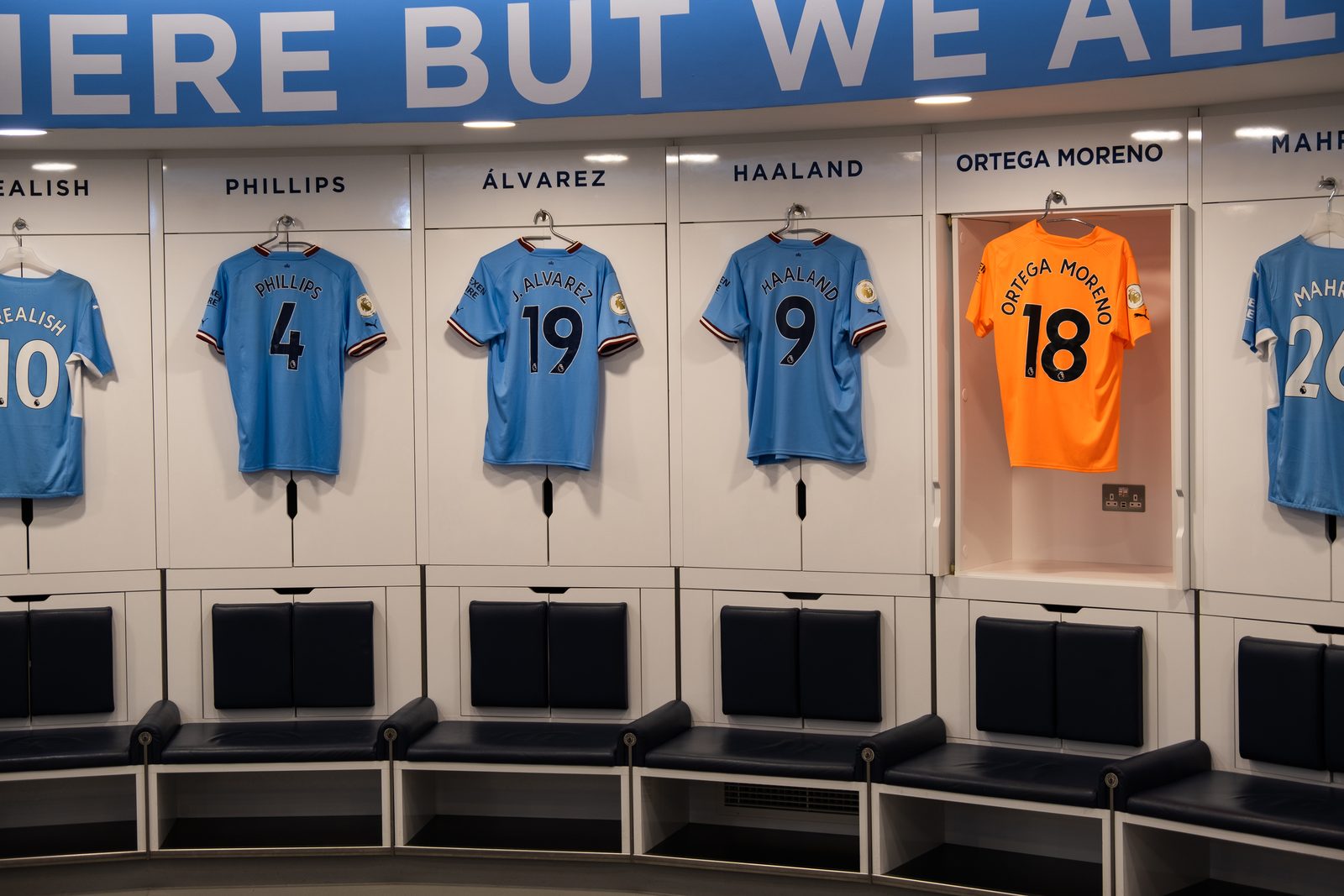
Norway’s bracket position mirrors France’s. If Erling Haaland’s team beats France in the group finale (June 26), Norway take first place in Group I and move to the opposite bracket half from where they would otherwise land. Norway finishing first would also improve their seeding for the Round of 32 draw.
The Norway scenario that most interests the bracket: If Norway win Group I, they are on the opposite side of the bracket from France. That means a potential Norway-France meeting in the Final rather than the Semifinal, which also separates Norway’s path from Argentina until the late rounds. For a team that most pre-tournament models had not reaching the Semifinal, the bracket shape is more favourable than the raw rankings would suggest.
United States (Group D, 1st place, confirmed)
The United States topped Group D with 6 points, playing as a co-host nation in front of consistently large American crowds. As a group winner, their Round of 32 opponent will come from the runner-up of a pre-assigned group. Their potential path to the Quarterfinal runs through opponents who are, on current form, lower-seeded than the teams on the opposite side of the draw.
The seeding consideration from the June 25 group game: USA vs Türkiye (June 25) is effectively a dead rubber for qualification but not for goal difference. A high-margin win against an eliminated opponent improves USA’s standing among group winners, which affects their seeding relative to other group-winners when FIFA assigns Round of 32 pairings. American supporters who watch the Türkiye game asking whether the starters should be rested are looking at a question that has a real bracket answer.
What we do not know yet
The full bracket for the Round of 32 cannot be confirmed until the group stage closes on June 27. Sixteen of the 32 Round of 32 places remain open. Eight of those sixteen will come from second-place finishers in groups that have not yet completed their final matchday, and the remaining eight best-third places require the entire group stage to close before the ranking can be computed.
For the live bracket as it updates, see /world-cup-2026/bracket/. For the Round of 32 format explained in detail, see /world-cup-2026/round-of-32-explained/.
